Cutting thick concrete walls with rebar inside is always a pain. The saw bogs down, the blade or wire heats up, dust is everywhere, and the noise is terrible. Most contractors I talk to end up fighting the tool more than the concrete itself. High-frequency wire wall saw machines are one of the few things that actually make this job less miserable — they cut faster, stay quieter, and handle rebar without constant drama.
I’ve put this together from what operators are saying on real sites in 2026. No sales brochure stuff — just why these machines are becoming popular and what you actually get when you use one.
What Makes a High-Frequency Wire Wall Saw Machine
Traditional wall saws run on hydraulic or standard electric motors — they’re slow, noisy, and vibrate a lot. High-frequency wall saws use a special motor that spins at 3,000–6,000 RPM or more. That extra speed means the diamond wire slices through concrete and rebar quicker — a lot of crews say they finish cuts 30–40% faster than with old-school equipment.
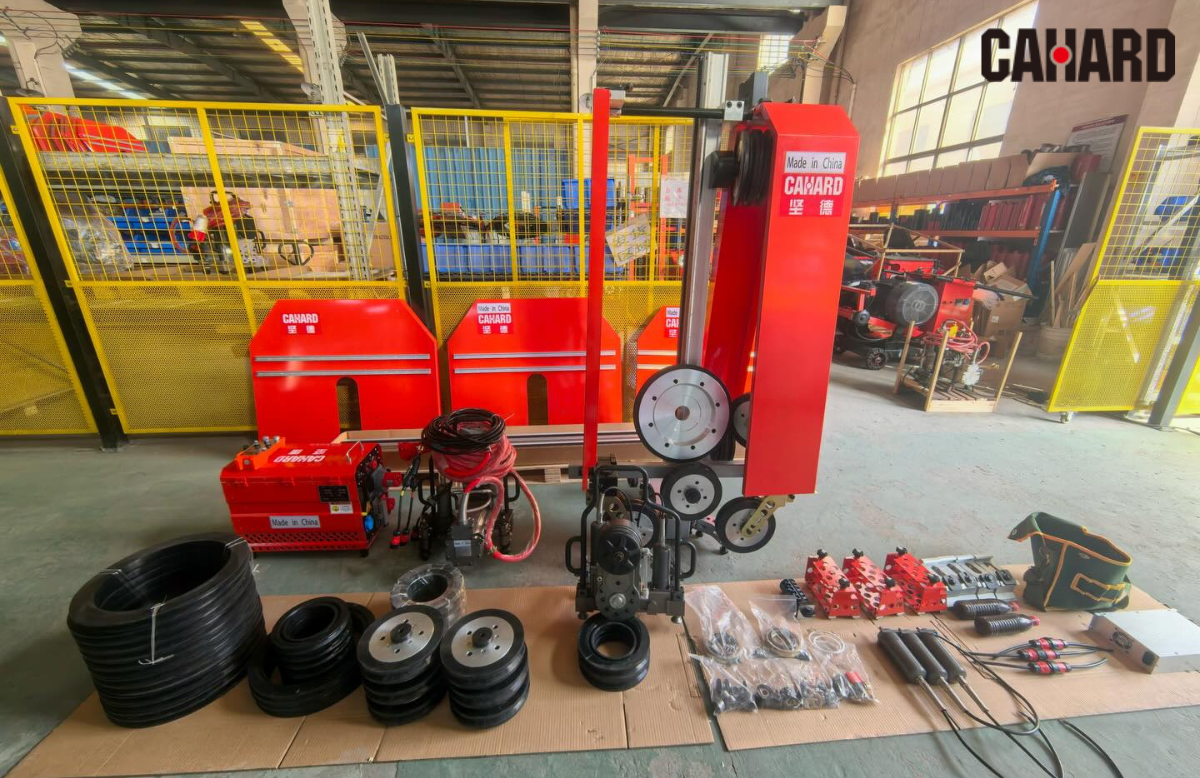
The machine is usually track-mounted, so you get straight, controlled cuts without moving heavy gear around. The motor is lighter, the whole head is more balanced, and it’s easier to set up in tight spots like basements or parking garages.
Why It Handles Rebar Better
Rebar is what kills most wall saws. Normal wires lose tension or snap when they hit steel repeatedly. High-frequency motors keep the wire moving fast even when it meets resistance — the speed helps grind through rebar instead of stalling. Vacuum brazed or high-tension diamond wire pairs really well with these machines because the extra RPM reduces heat buildup and keeps the cut going.
Contractors who do a lot of structural openings (doors, windows, utility penetrations) say they change wires less often and get cleaner edges around the steel. Less rework, less patching later.
Where High-Frequency Wall Saws Are Most Useful
They’re especially good when you need to:
- Cut precise openings in reinforced concrete walls
- Work in indoor or urban sites where noise is restricted
- Handle thick slabs or foundations with dense rebar grids
- Finish jobs faster on tight deadlines
- Operate in confined spaces (smaller head and track setup helps)
The low vibration and quieter motor also make them easier on the operator during long shifts.
A Few Things That Help on the Job
- Align the track carefully at the start — even a small angle causes uneven wear and crooked cuts.
- Use the right diamond wire — vacuum brazed or high-tension sintered beads survive rebar better.
- Keep water flowing if wet cutting — it cools the wire and keeps dust manageable.
- Check wire tension every few hours — high-frequency motors put more load on it.
- Clean pulleys and track after each job — dust and slurry build-up causes slipping.
- Wear full PPE — quieter doesn’t mean silent, and dust is still a problem.
Frequently Asked Questions
How much faster is high-frequency compared to standard wall saws? Most crews see 30–40% faster cutting on reinforced concrete, especially when rebar is heavy.
Is it really quieter for indoor jobs? Yes — the high-frequency motor runs much quieter than hydraulic or standard electric ones. Big plus for occupied buildings or urban sites.
Does it cut rebar easily? It handles rebar much better than older saws. The higher speed helps grind through steel without stalling or losing tension.
Is maintenance lower than hydraulic wall saws? Usually yes. No oil leaks, fewer moving parts, simpler troubleshooting — electric high-frequency motors need less daily care.
Where can I get a high-frequency wire wall saw machine? We build them at cahardtools.com. Email sales@cahard.com or call Ms Alice at +86 15902013674 — she can give you specs, pricing, and customization options for your jobs.
If you’re tired of slow, noisy wall cutting on reinforced concrete, check out our high-frequency wire wall saw machines. Drop sales@cahard.com a line or call Ms Alice at +86 15902013674 or visit contact us page — she can help you get the right setup.