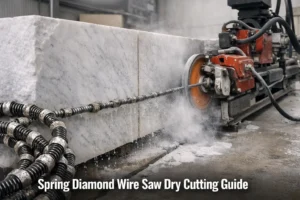
Dry cutting marble isn’t always easy. Most wire saws are built for wet conditions, and when you have to go dry—maybe no water on site or you’re working indoors—the wire heats up fast. Beads wear unevenly, the cut gets rough, and you end up wasting more material than you should.
I put this together to help you find a spring diamond wire saw that actually works well dry on marble. I’ll walk through what makes these wires good for the job, the options that hold up, and a few things I’ve seen make a real difference on site.
Why Spring Coating Helps So Much for Dry Marble Work
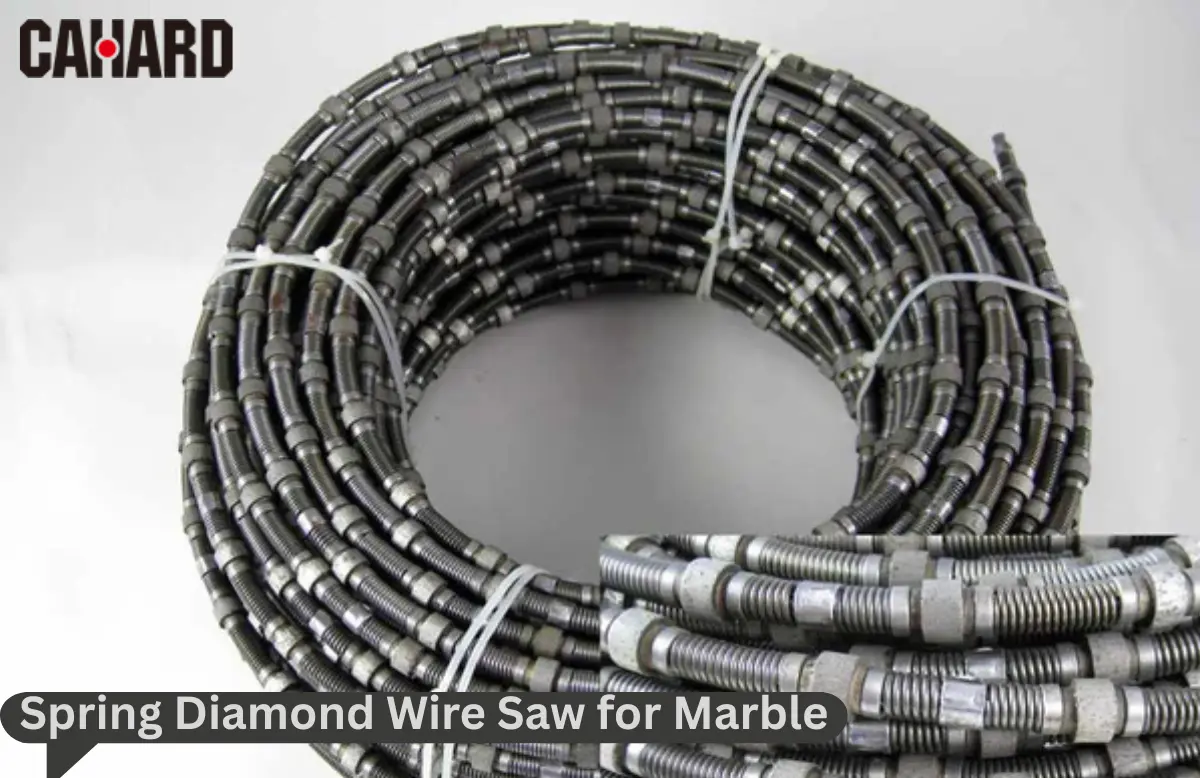
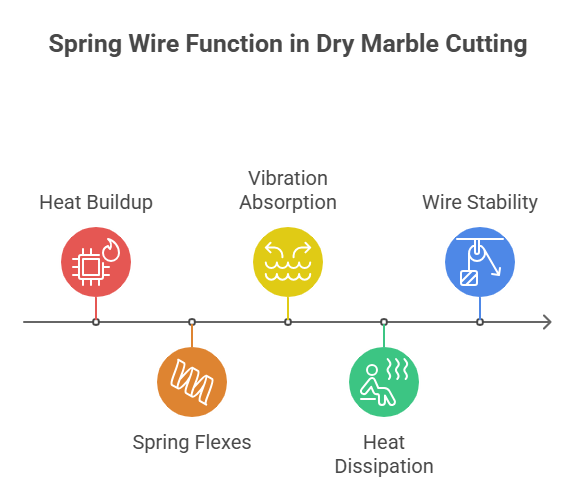
The spring around the cable is what sets these apart. It lets the wire flex and absorb vibration, which matters a lot when there’s no water to cool things or flush dust. Without that cooling, heat builds up quick. The spring spreads it out a bit and keeps the wire from getting too stiff or brittle.
A lot of marble shops and smaller quarries prefer spring wires for dry cutting because they stay stable even on longer runs. Plastic-coated wires are lighter and cheaper, but they don’t handle the extra heat and stress as well. Rubber-coated ones are good for shock absorption but trap heat more than spring does.
What to Look for When Picking a Spring Diamond Wire Saw
Start with the beads. Sintered ones are the standard for marble—they wear evenly and give you clean, accurate cuts with very little chipping. For dry work, you want high diamond concentration so the beads stay sharp longer without water to help cool them.
Diameter makes a big difference too.
- 11.5mm is a sweet spot for most slab shaping jobs—easy to handle and stable enough for straight cuts.
- 12.0mm or 12.5mm gives you more power for thicker blocks or when you need to move faster, but it’s heavier and needs a stronger machine.
Bead spacing usually sits around 37–40 per meter for marble. Closer spacing gives smoother finishes, but it can slow you down a little. When you’re dry cutting, tighter spacing is usually better because dust can build up and make loose beads less effective.
How Spring Wires Compare to Other Types for Dry Cutting
Plastic-coated wires are fine for light dry work, but they flex less and can overheat quicker. Rubber-coated ones are great at soaking up vibration, but they don’t let air circulate around the beads as well, so heat builds up faster.
Spring wires sit right in the middle. They flex enough to follow the cut without snapping, and the open coils let some air move around the beads—which helps a bit with cooling when there’s no water. Marble fabricators I’ve talked to say spring gives them the best balance for dry slab work.

Tips That Make Dry Cutting Easier
Start slow. Let the wire break in at low speed for the first few meters. Keep tension steady—too loose and it wanders, too tight and beads can pop. Move the wire back and forth a little during the cut to spread wear evenly. Check the beads every few hours. Dust can make them glaze; a quick brush-off helps. Use a solid puller machine. Dry cuts need consistent speed to avoid hot spots.
Safety note: dry cutting kicks up more dust, so respirators and good ventilation are non-negotiable. Even though it’s marble, the fine dust isn’t something you want to breathe.
Frequently Asked Questions
Why spring over plastic for dry marble cutting? Spring gives better flex and vibration control, which helps a lot when there’s no water to cool or flush the cut.
What diameter is best for most marble slab work? 11.5mm or 12.0mm. They give a nice balance of speed, stability, and ease of handling for typical slabs.
Does dry cutting waste more marble than wet? Not if the wire is right. Spring sintered beads give clean, accurate cuts with very little chipping and low waste.
How long does a good spring diamond wire last on dry marble? Depends on the marble hardness and machine, but 150–300 square meters is common with proper tension and breaks.
Where can I get a reliable spring diamond wire saw for marble? We carry them at cahardtools.com/diamond-wire-saw. Email sales@cahard.com or call Ms Alice at +86 15902013674—she can help you pick the right size and bead type.
If you’re looking for a spring wire that handles dry marble cutting without wasting material, take a look at our contact us page or drop sales@cahard.com a line. Ms Alice can sort you out (+86 15902013674).